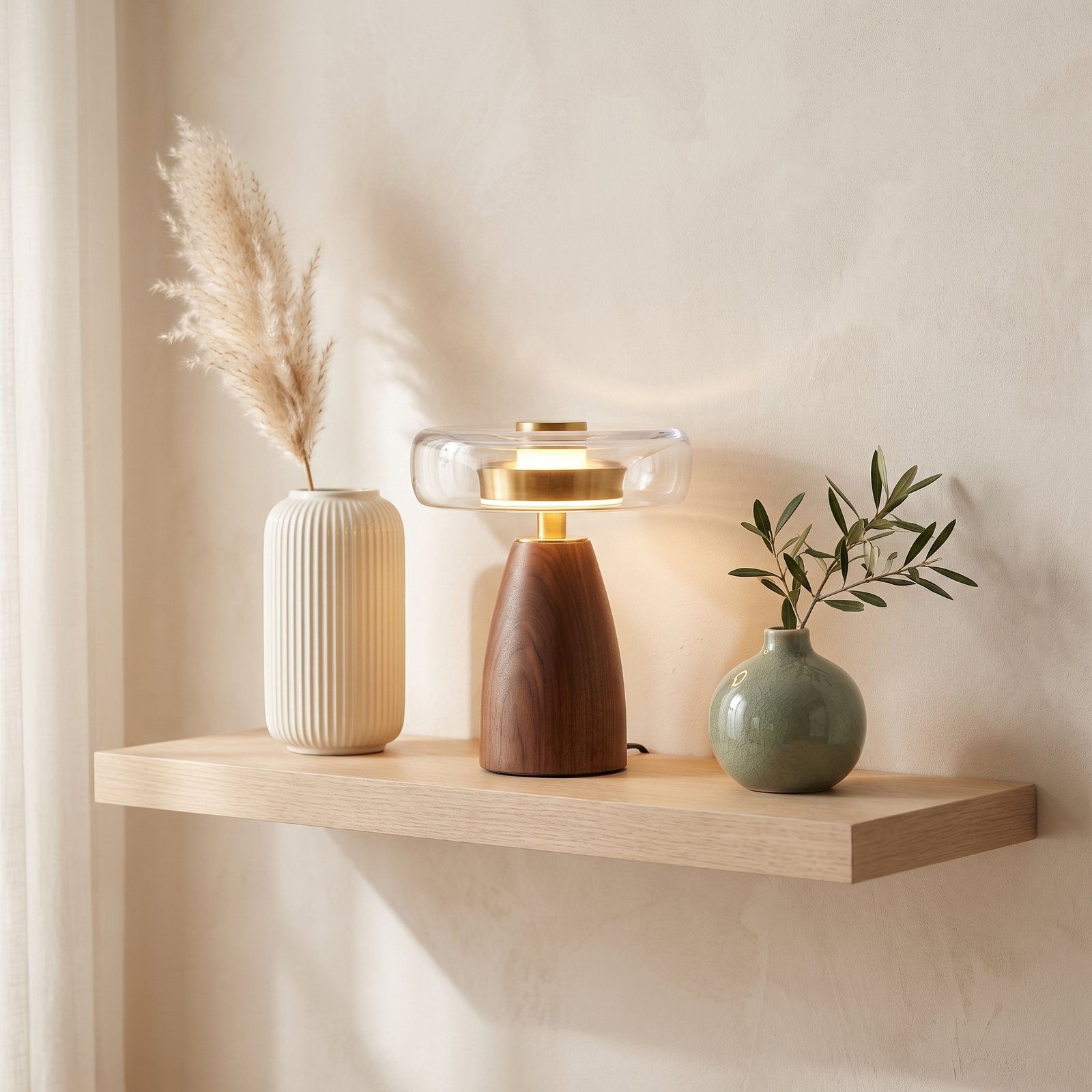
"Looks expensive" has very little to do with how much something costs. It has a lot to do with material, color, and light — three things you can usually control on almost any budget. Here are the four swaps that make the biggest visible difference for the smallest amount of money.
Swap plastic and resin for ceramic and stoneware
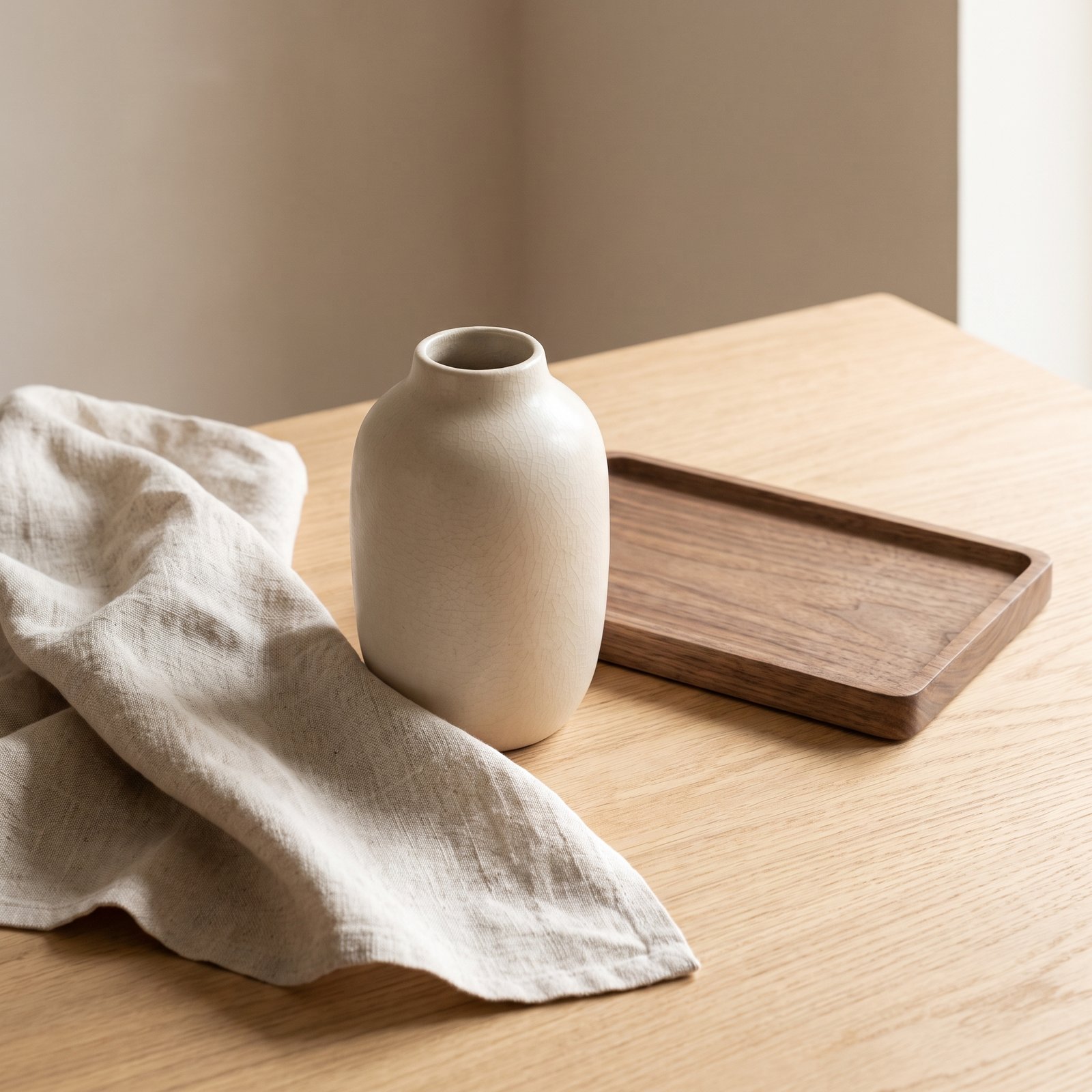
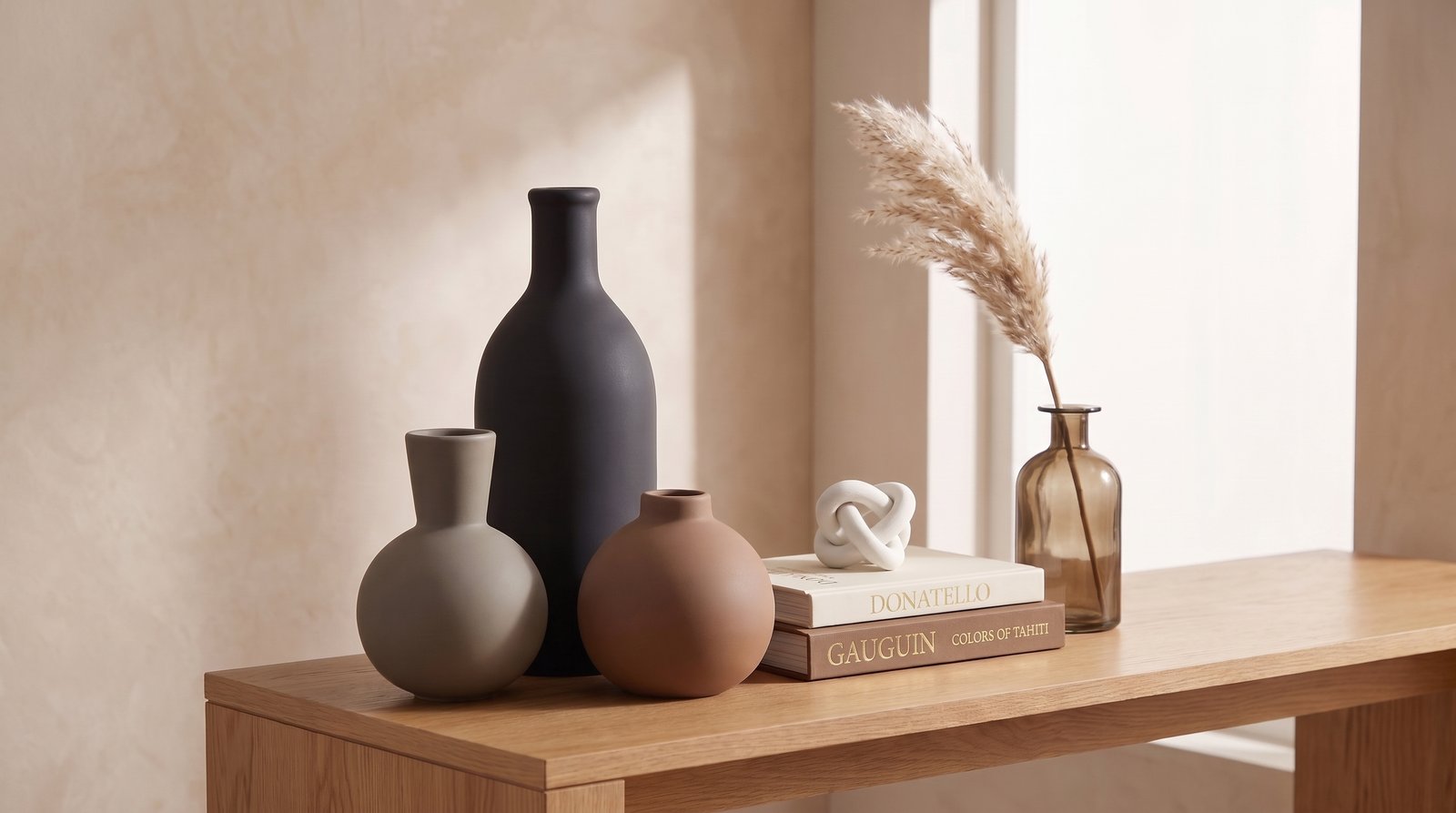
Nothing signals "budget" faster than a glossy plastic finish, and nothing signals "considered" faster than a matte ceramic one. A stoneware bowl or vase often costs about the same as a plastic equivalent, but photographs and reads completely differently in a room. If you're going to spend money on one upgrade, put it here first.
Swap cool white bulbs for warm ones
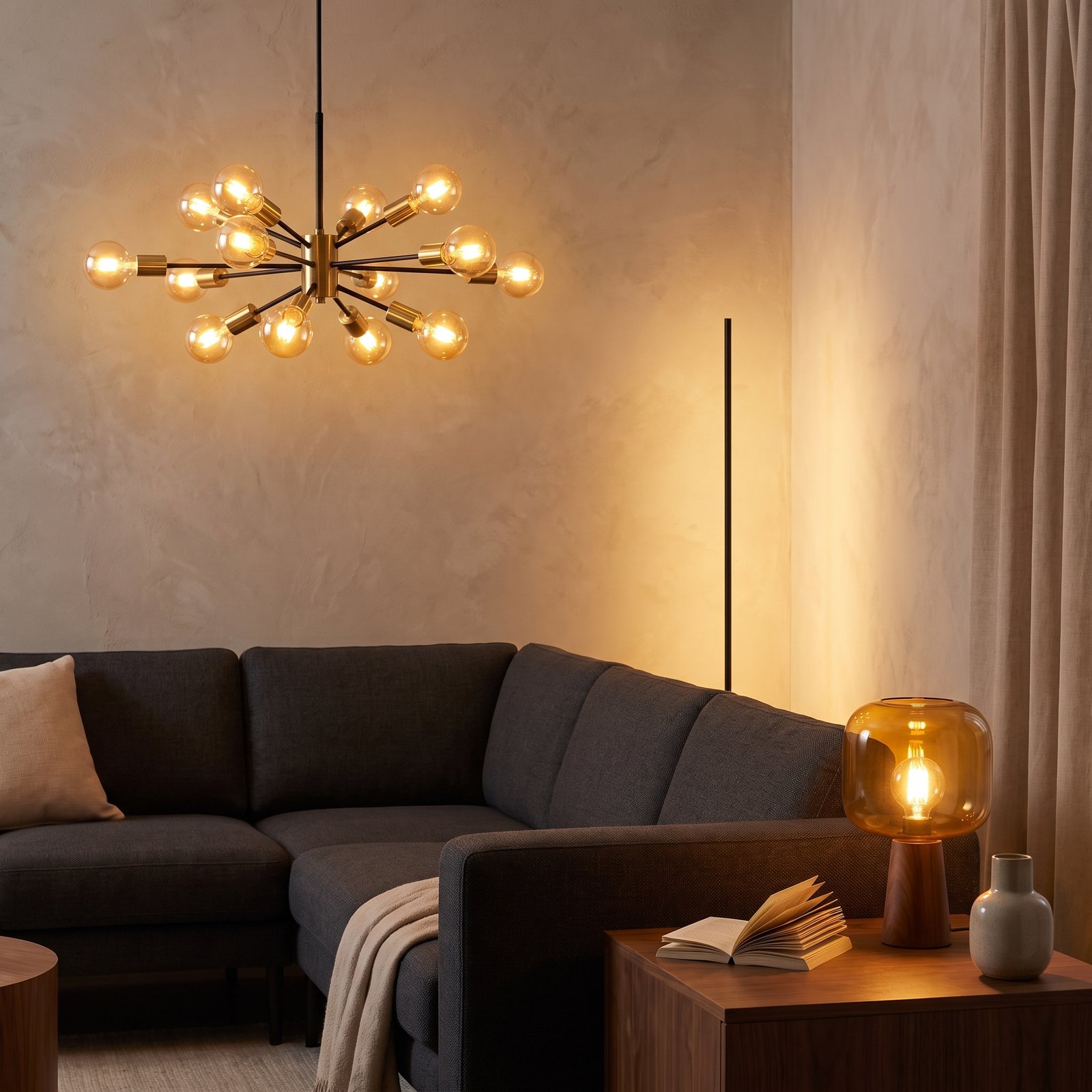
This is the cheapest fix on the list and often the most dramatic. A pack of warm 2700K bulbs costs a few dollars and instantly changes how every other object in the room reads — wood looks richer, neutrals look warmer, and the whole space feels considered instead of clinical.
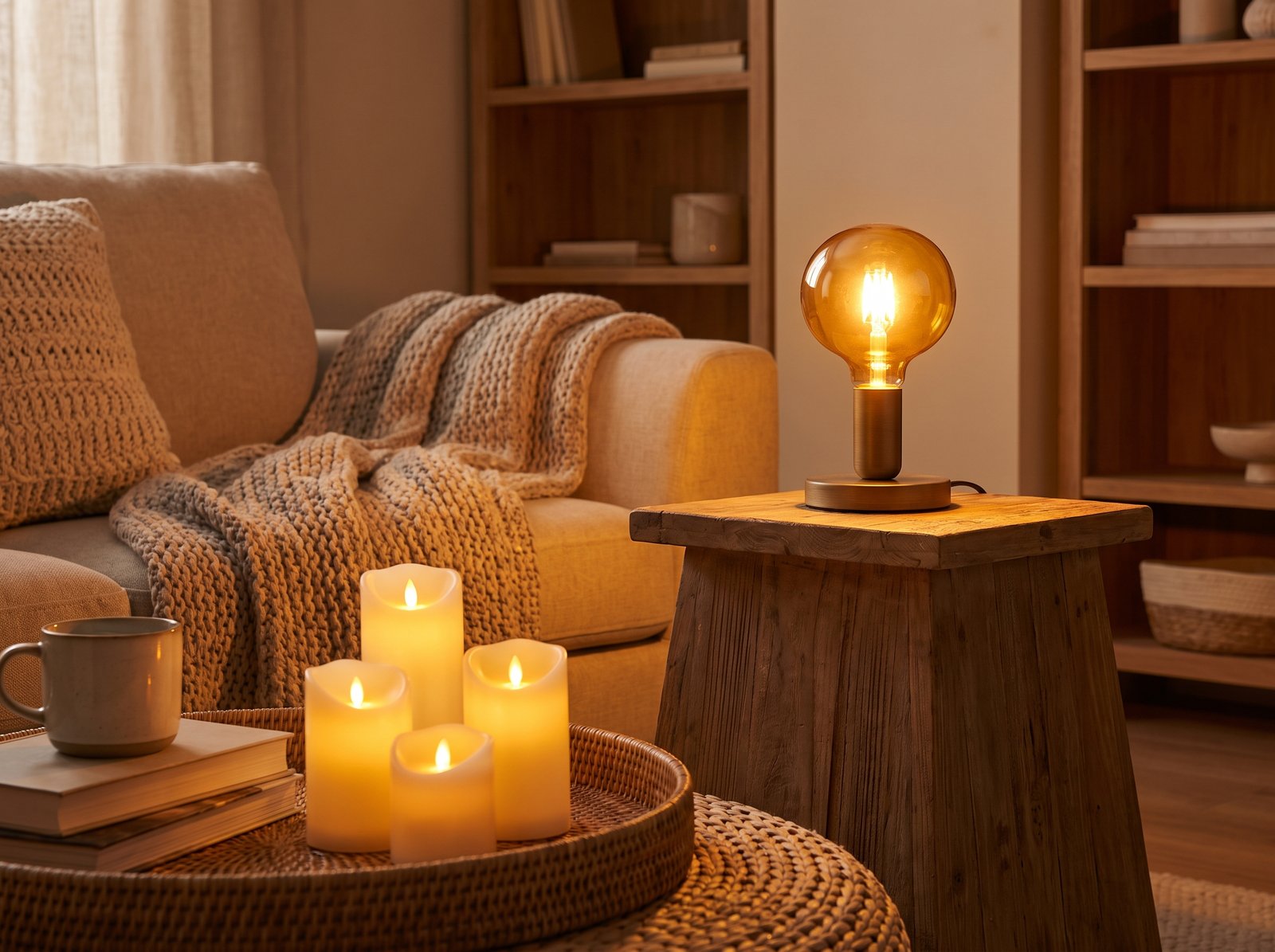
Swap five small items for one good one
A cluster of small, cheap trinkets almost always reads as clutter, even if the total cost is less than one nicer piece. Consolidating into a single well-chosen object — a good vase, a substantial tray — tends to look more expensive than five smaller things combined, because it gives the eye one clear focal point instead of five competing ones.
Swap synthetic textures for natural ones
Woven baskets, linen textiles, and raw wood all catch light and shadow in a way that synthetic materials can't quite replicate. Where you can, choose the natural version of an object — a jute basket over a plastic bin, a linen throw over a polyester one. The price difference is often smaller than people expect.
Expensive-looking rooms usually have fewer things in them, made from better materials — not more things spent on more money.
Every piece in our shop is chosen to look far more expensive than it costs.