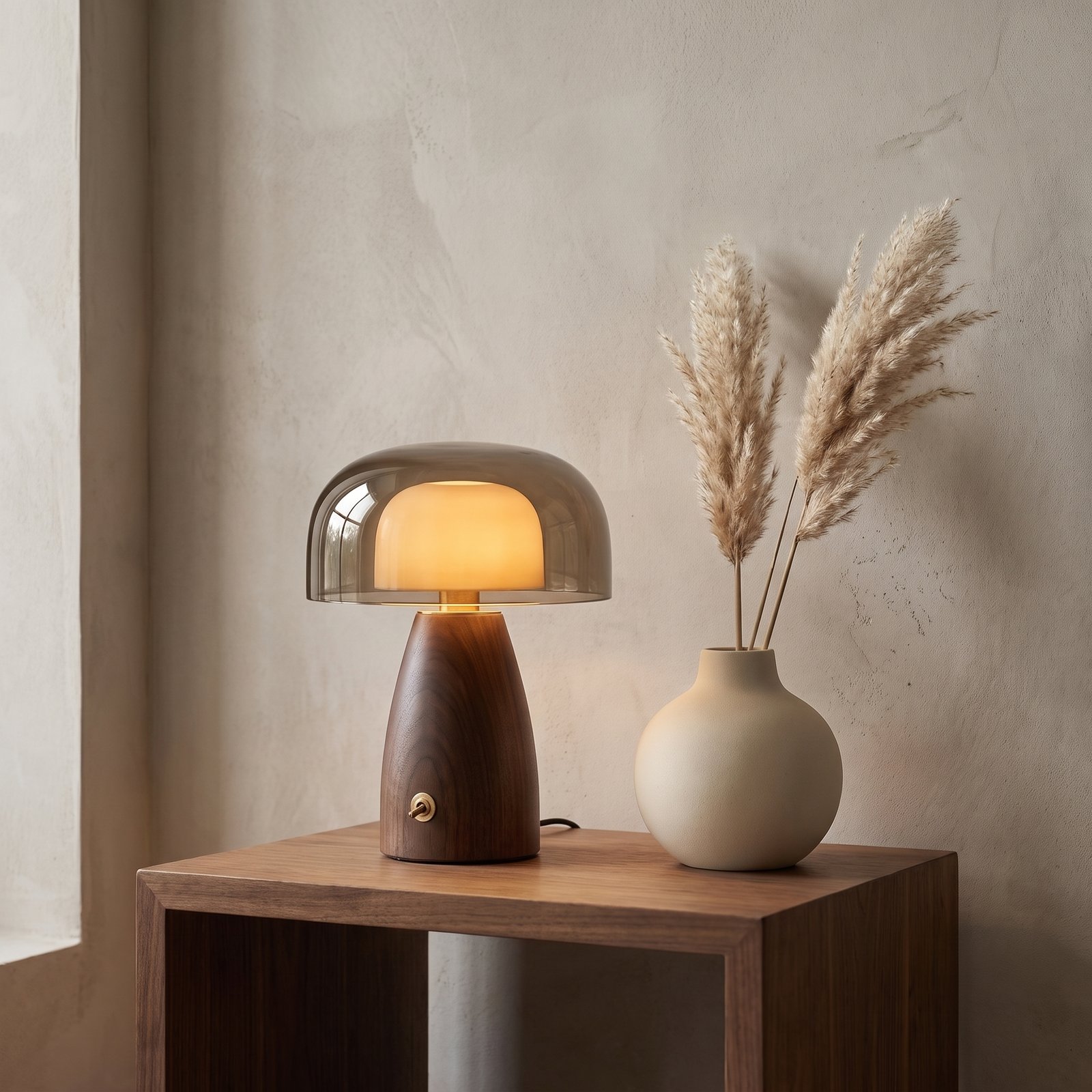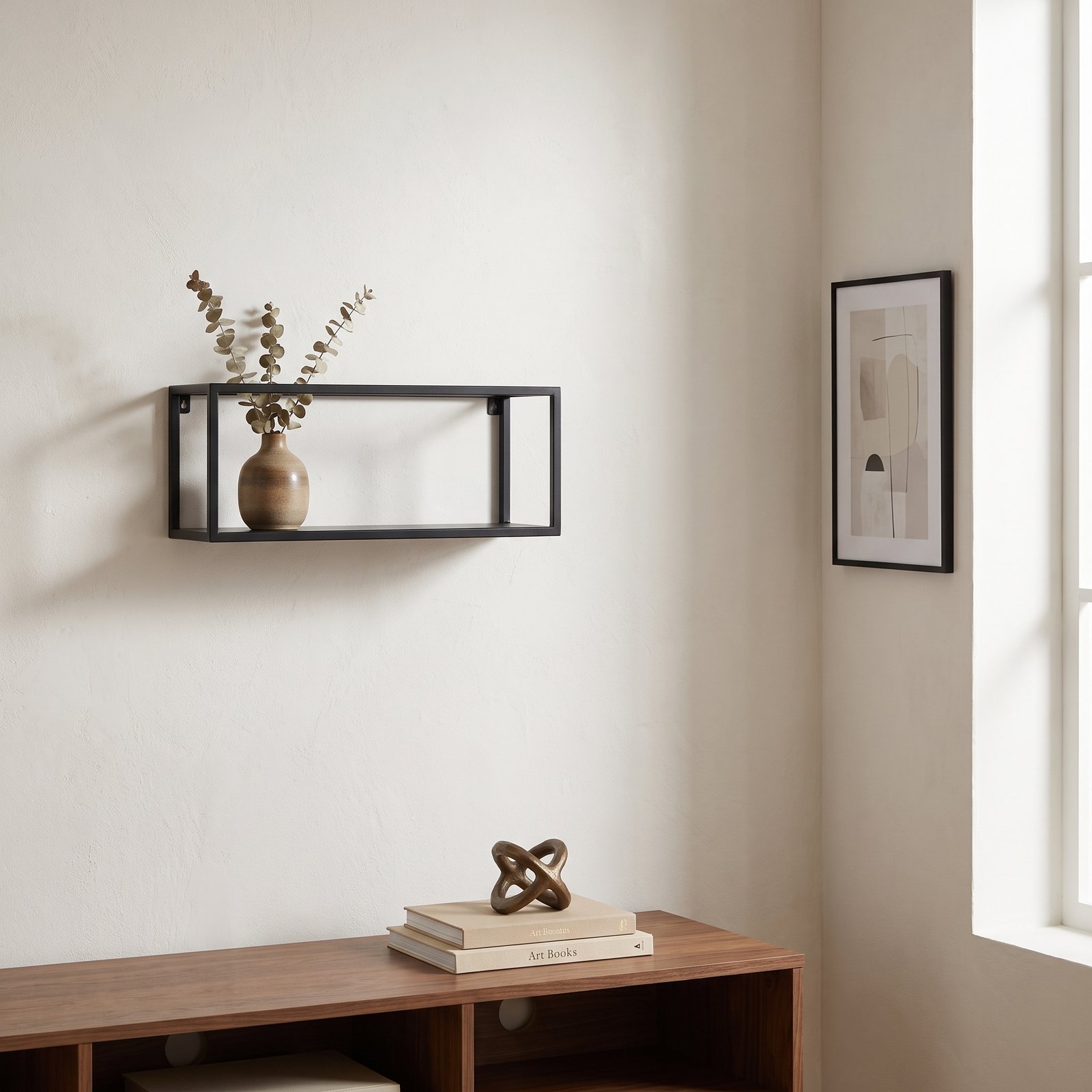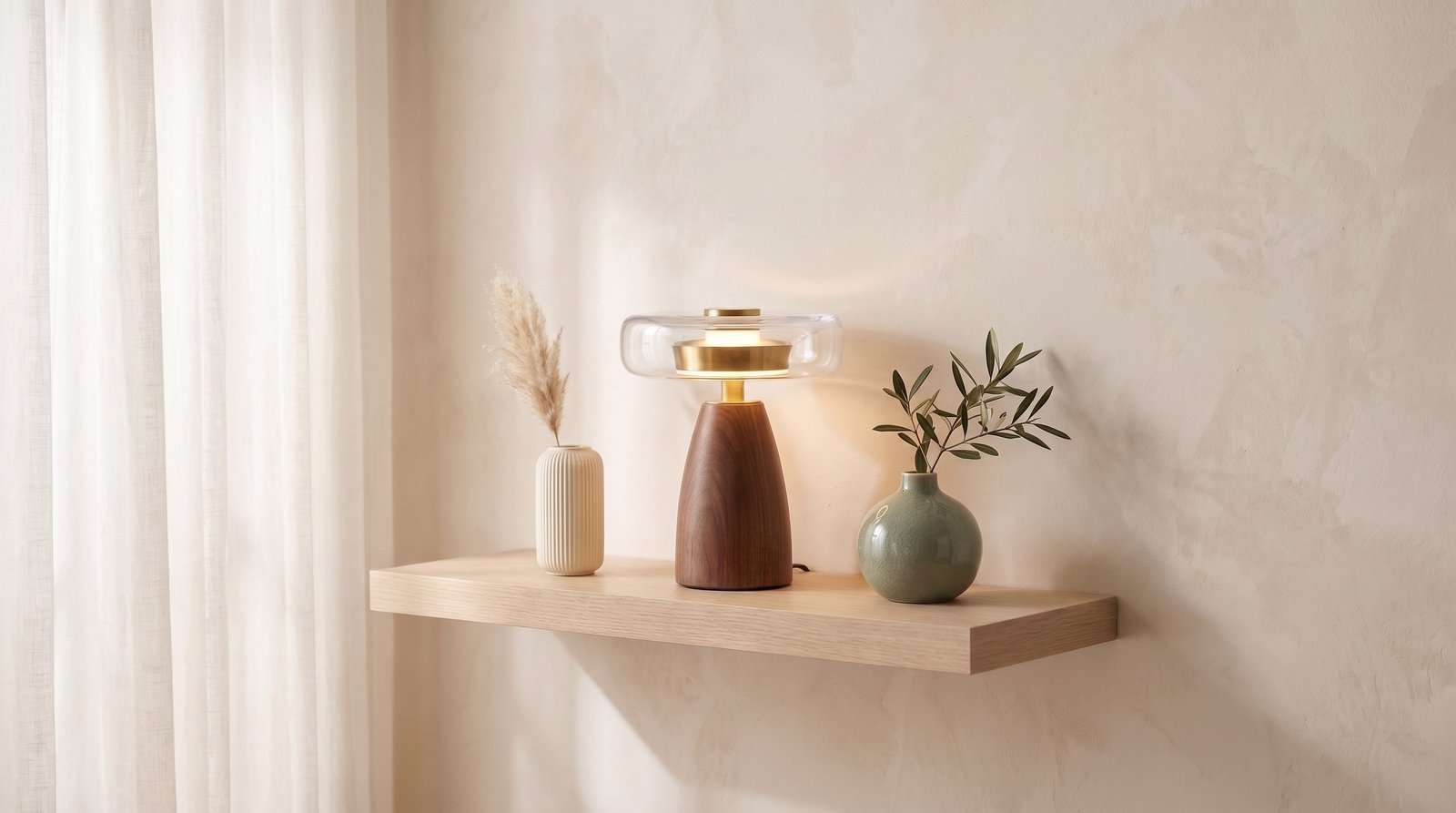
Open shelves are unforgiving. There's nowhere for clutter to hide, which is exactly why they're such a good test of whether a room's styling actually works. The good news is that styling a shelf well comes down to a handful of repeatable rules, not natural talent.
Start with less than you think you need
Pull everything off the shelf and put back only a third of it. Most over-styled shelves aren't full of bad objects — they're full of good objects with no room to breathe. Editing down is almost always the fastest improvement you can make.
Group in odd numbers
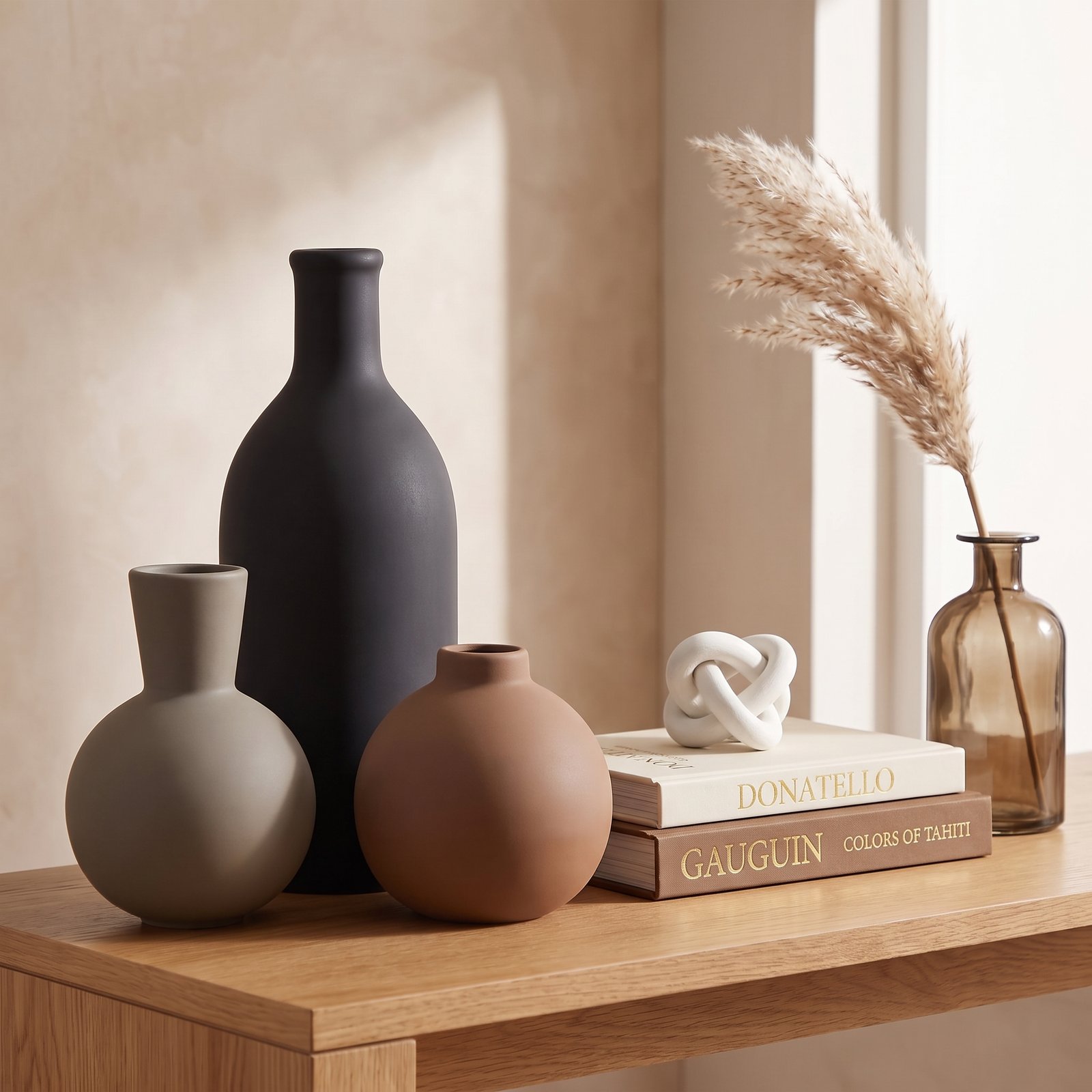
Objects grouped in threes tend to look more natural than pairs, because pairs read as symmetrical and a little static, while a group of three has a natural visual hierarchy — one large item, one medium, one small. This is one of the oldest rules in styling for a reason: it works almost every time.
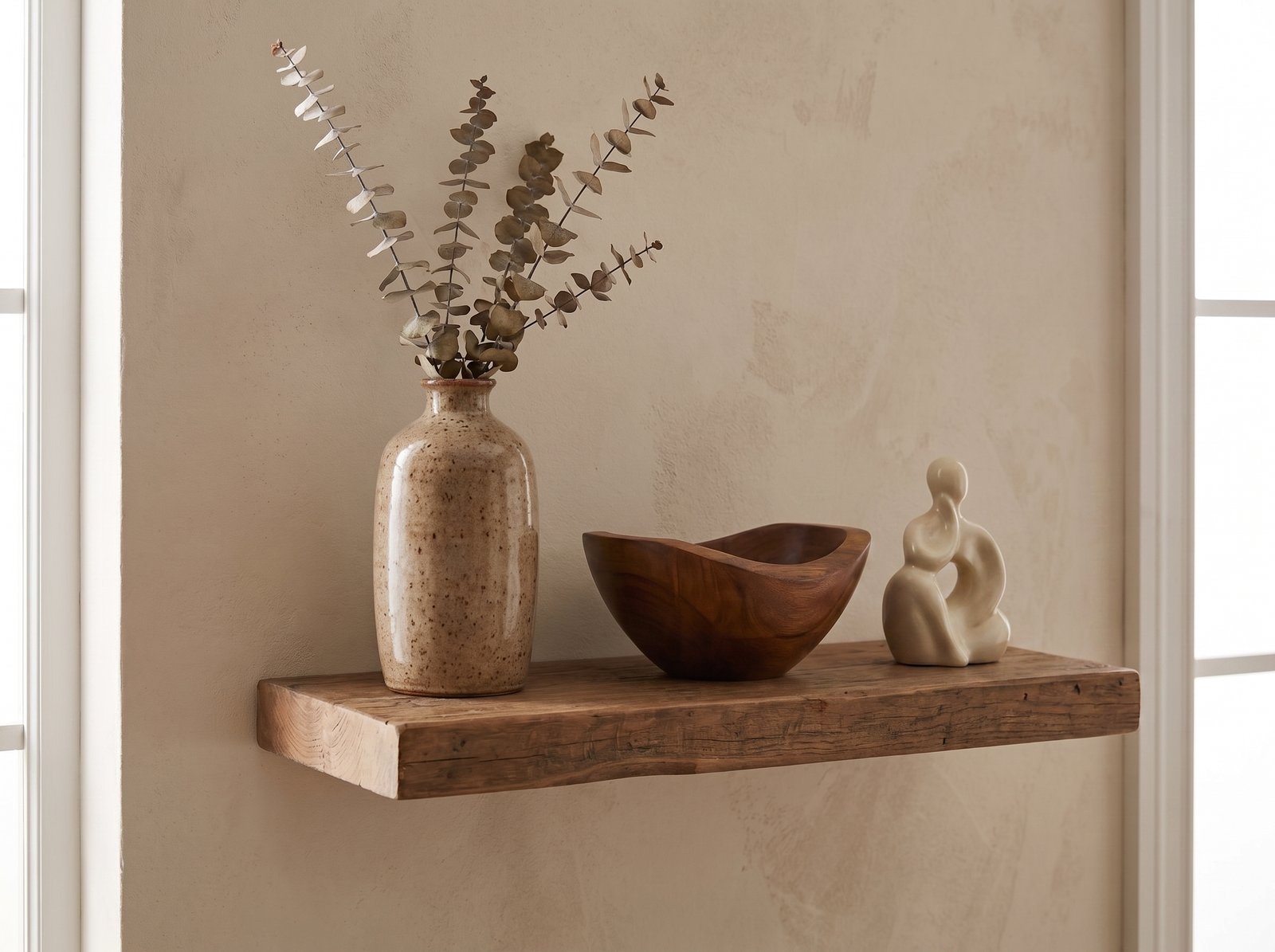
Vary the height
A shelf full of objects at the same height looks like a row of soldiers. Mix a taller piece — a vase, a stack of books — with shorter, flatter objects around it. The eye naturally follows a zig-zag line better than a flat one, which is why varied heights feel more relaxed even in a very structured space.
Follow the 70/30 rule
Aim to leave roughly 30% of the shelf visibly empty. That negative space is what keeps a shelf from tipping into clutter, and it gives each object room to actually be seen instead of competing with its neighbors for attention.
A styled shelf should look like it was edited, not decorated.
A simple shelf-styling checklist
- Remove everything and add back only your favorites
- Group remaining objects in threes where possible
- Mix tall, medium, and low pieces on every shelf
- Leave visible empty space — don't fill every inch
From ceramic vases to textured trays, find pieces built for exactly this kind of styling.