Japandi gets thrown around a lot, usually to describe any room with a beige sofa and a wood coffee table. But the word actually means something specific, and once you understand it, you'll notice why some neutral rooms feel calm and expensive, while others just feel empty.
Where the word comes from
Japandi is a blend of "Japanese" and "Scandinavian" — two design traditions that, on paper, come from opposite ends of the world but share the same instincts. Japanese interiors lean on wabi-sabi, the idea that a room feels finished when it's honest, a little imperfect, and free of anything that doesn't earn its place. Scandinavian design leans on hygge, the pursuit of warmth and comfort through simple, well-made objects rather than decoration for its own sake. Put those two together and you get a style built on restraint, natural materials, and function — not on trend cycles or matching sets.
A Japandi room isn't decorated less because the owner ran out of money. It's decorated less on purpose.
The color story: why neutrals read as expensive
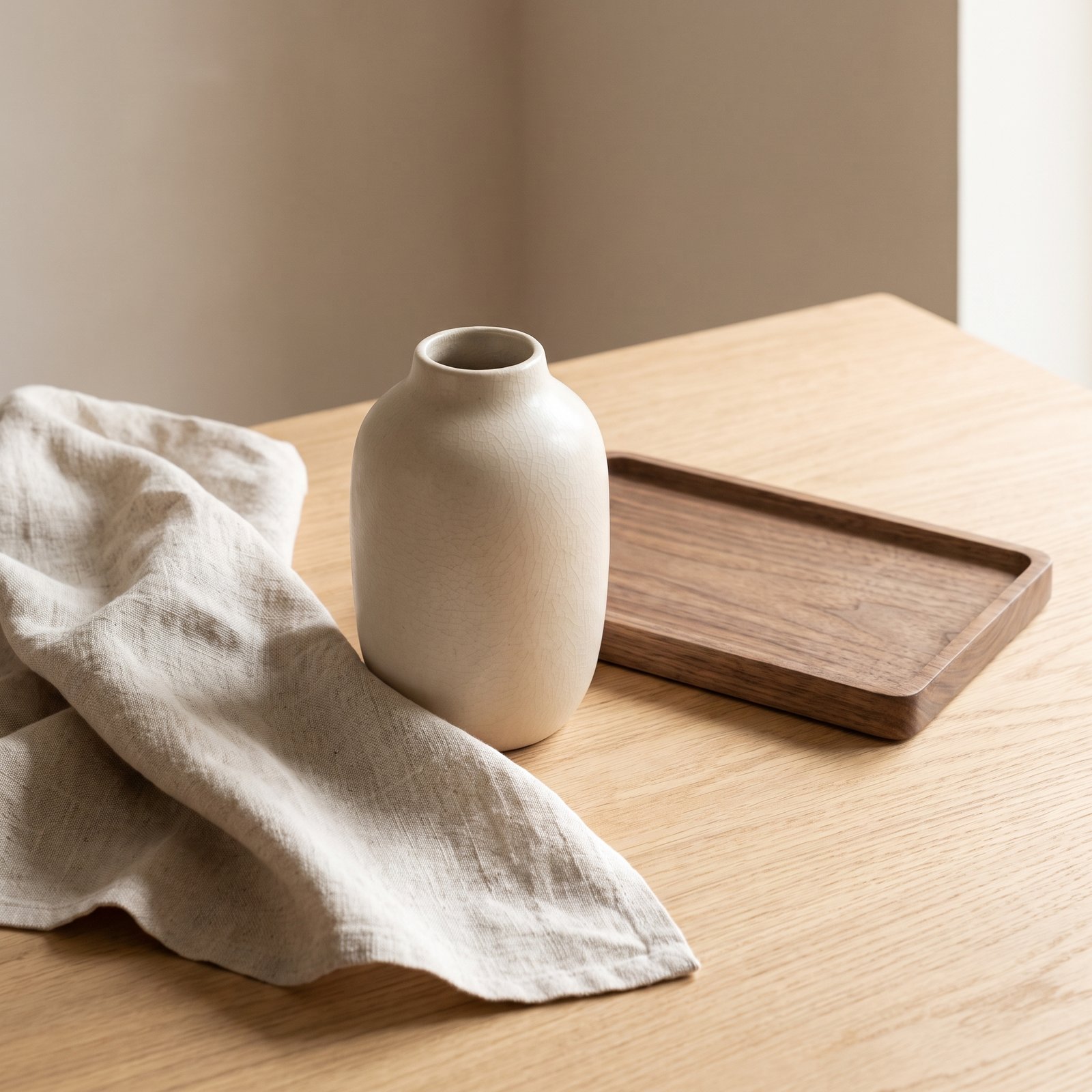
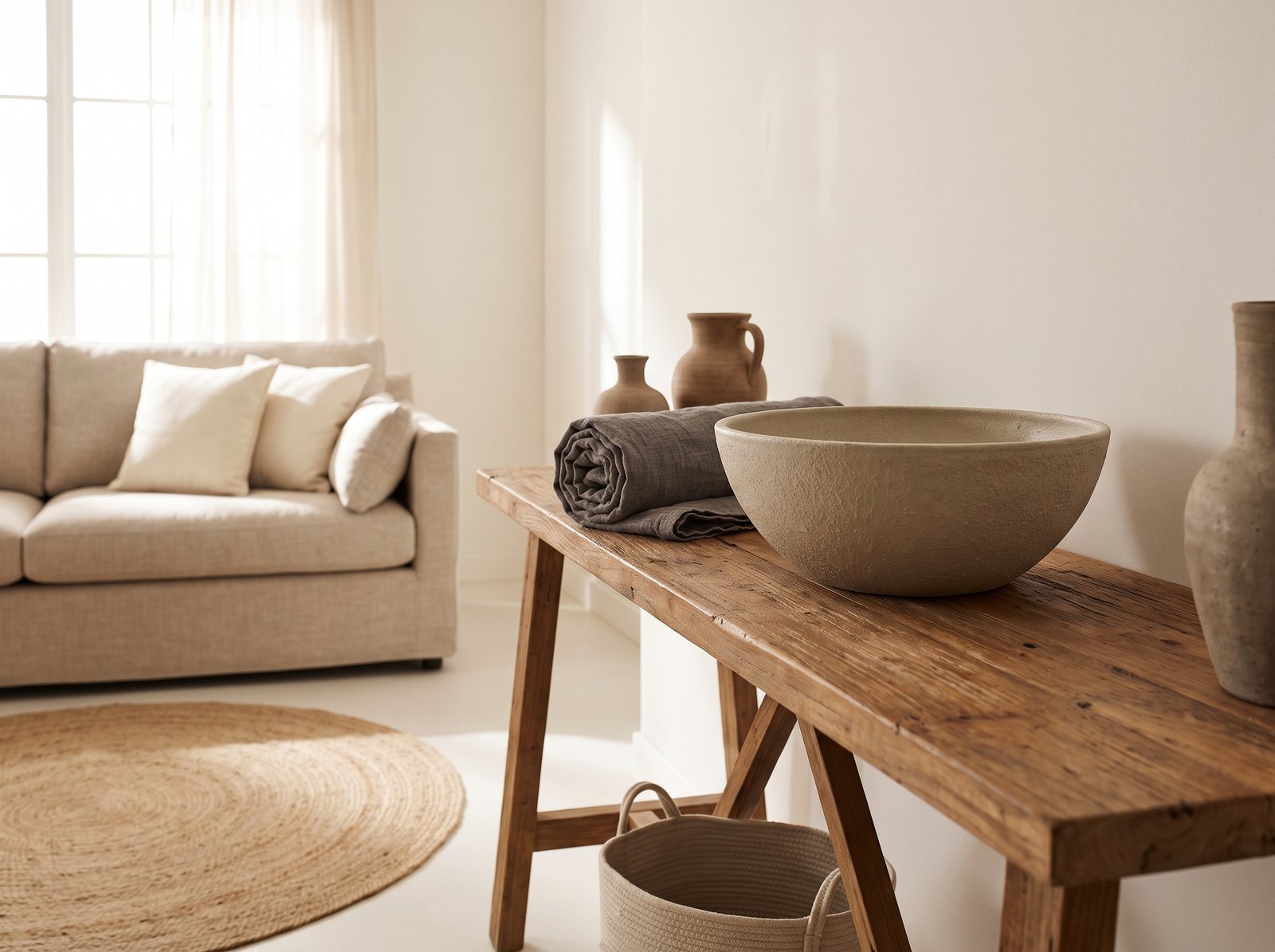
Most Japandi palettes stay within a tight range — warm whites, oat, clay, charcoal, and deep wood tones. The tightness is the point. When every surface in a room sits close together on the color wheel, your eye stops jumping from object to object and instead reads the room as one composed scene. That's the same trick behind why a hotel lobby or a boutique feels calmer than a room full of mismatched colors, even if the boutique has more furniture in it.
It also explains why cheap decor can look expensive when the color is right, and why expensive decor can look cheap when it clashes. The finish matters less than the harmony.
Function over flourish
The second pillar is usefulness. A Japandi room asks of every object: does this do something, or does it just sit there? A woven basket that hides blankets earns its spot. A candle holder that's also genuinely nice to look at earns its spot. Anything purely decorative has to be exceptional to make the cut — which is why the pieces that do make it in tend to feel considered rather than filler.
Three easy ways to start
- Edit before you add. Remove anything that's purely decorative and doesn't fit your palette before buying anything new. Most rooms improve the moment you take three things away.
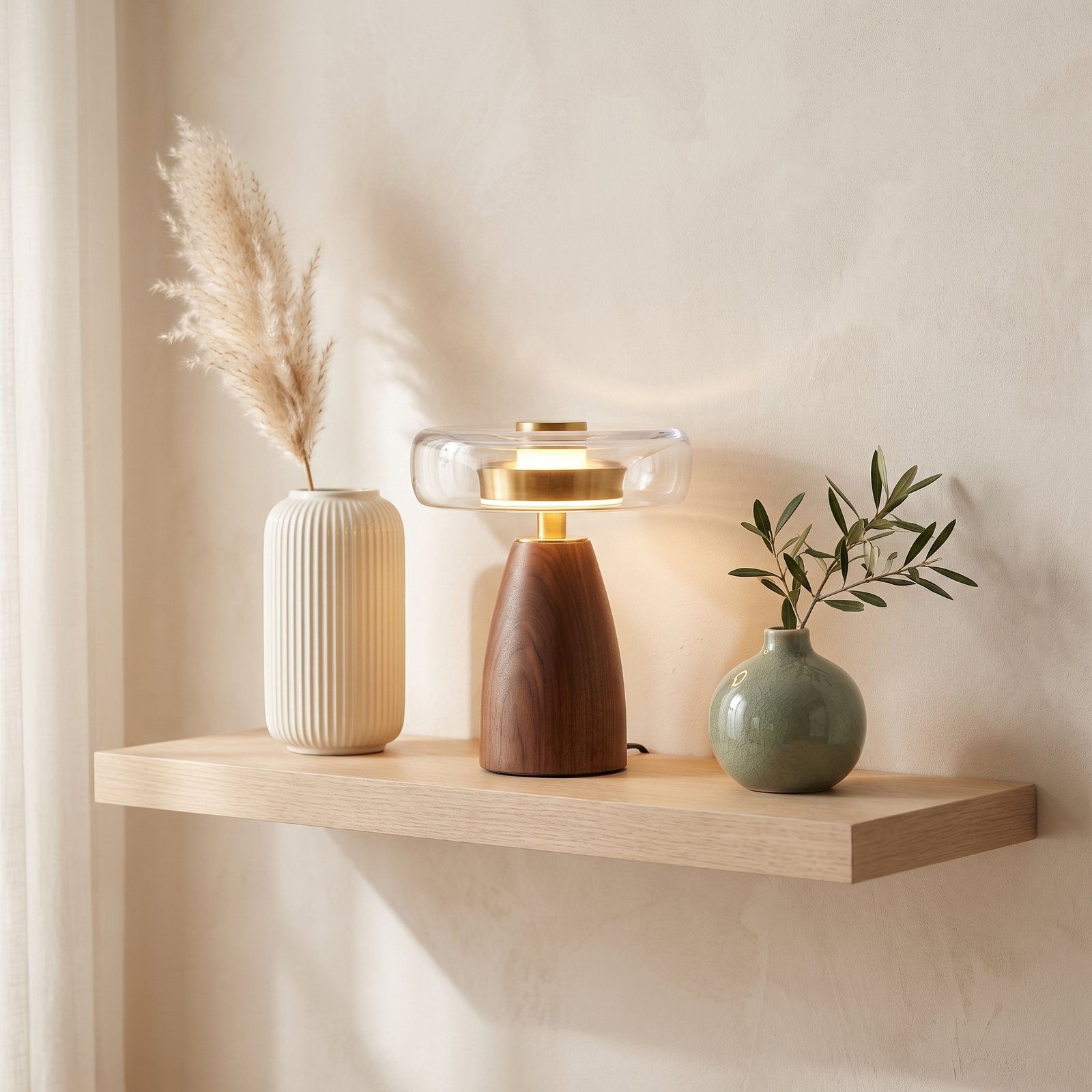
- Pick one material to repeat. Whether it's a warm wood tone, unglazed ceramic, or woven fiber, repeating one natural material across two or three pieces ties a room together faster than any single "statement" item.
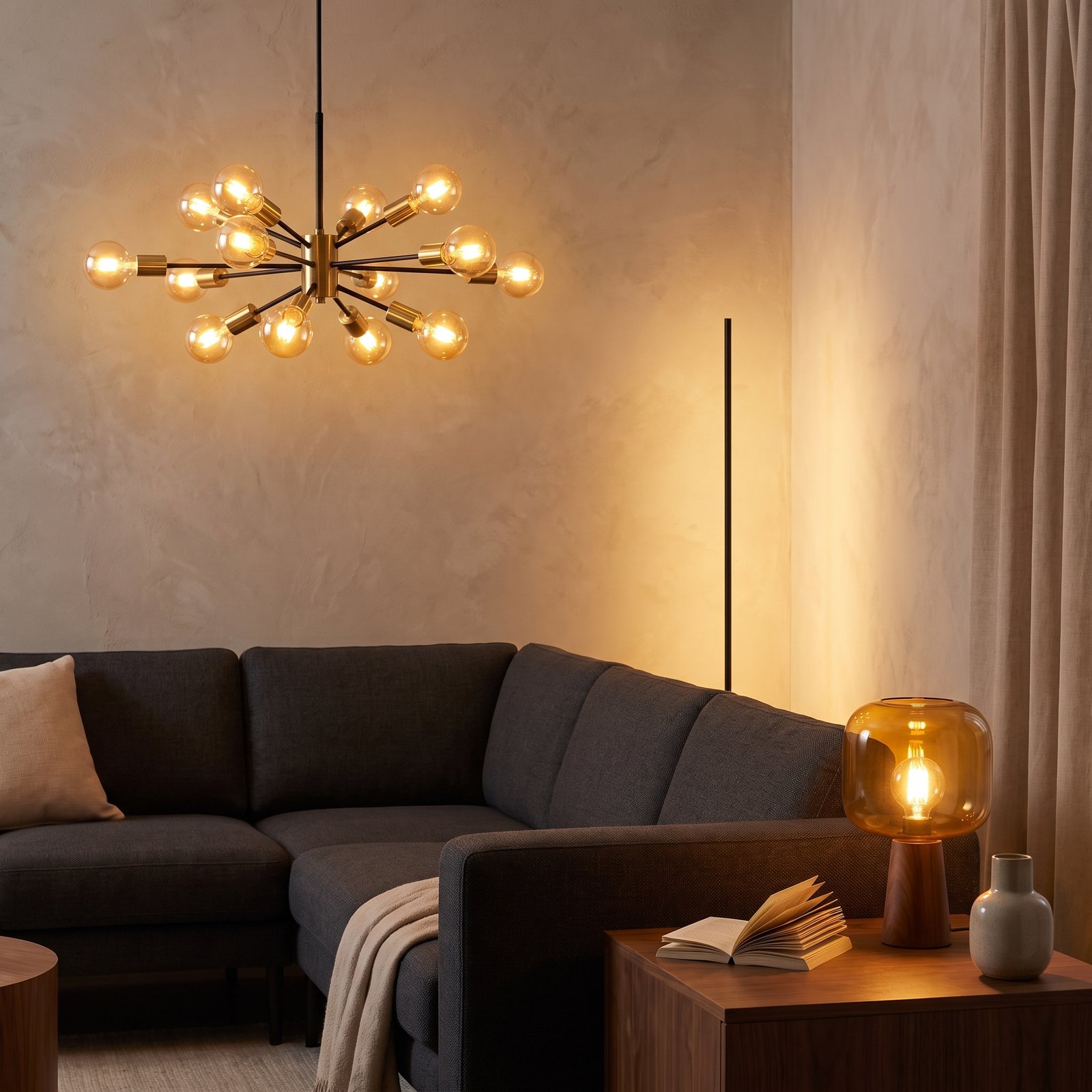
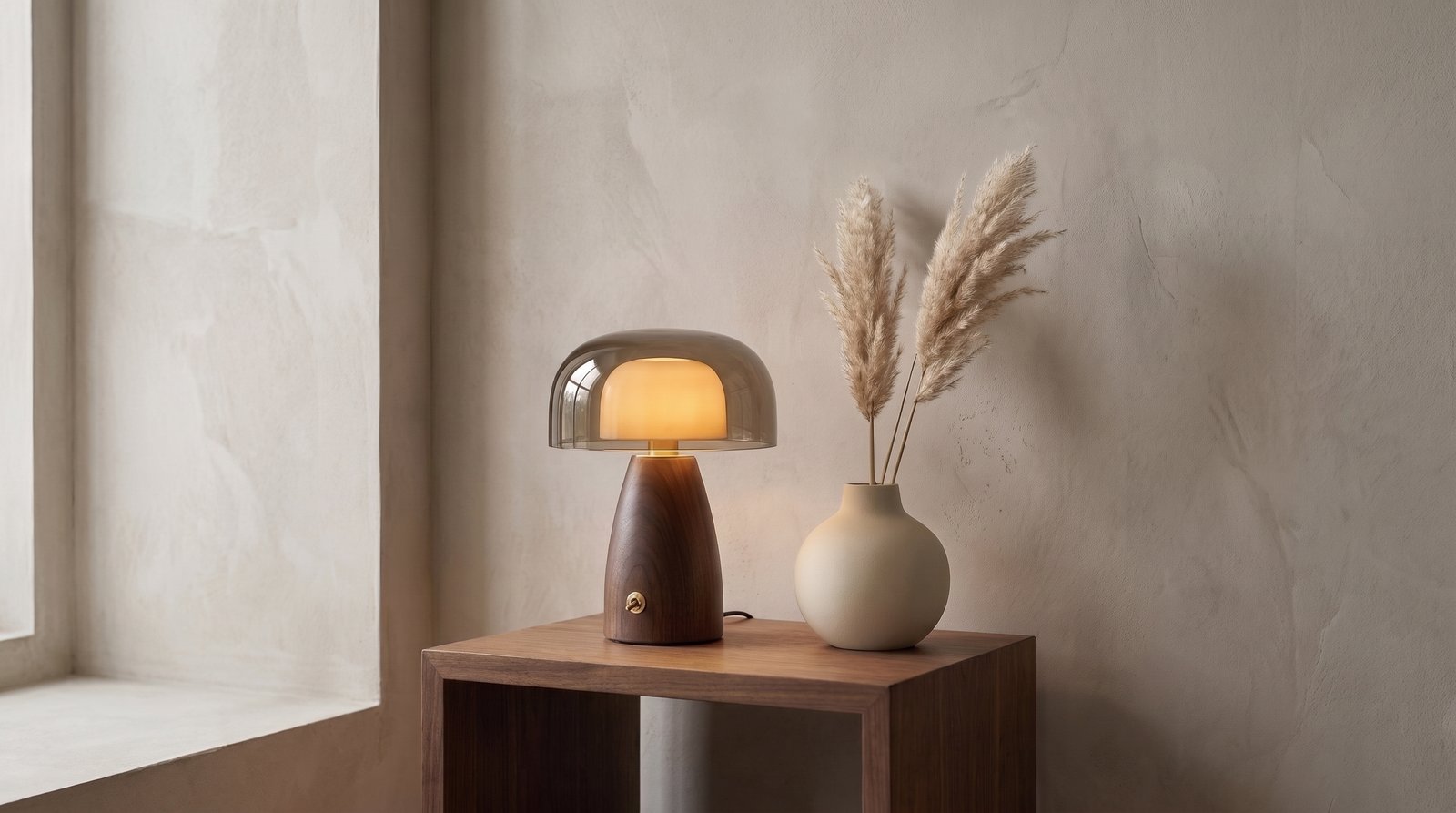
- Swap cool light for warm light. A warm-toned lamp does more for the Japandi feel than almost any object you can buy. Cool white bulbs fight the whole aesthetic.
Our shop is curated around exactly this palette — warm, restrained, and built to last.